
Statement jewelry is large, eye-catching jewelry designed to become the focal point of an outfit. Expert-style benchmarks often place statement earrings at around 45 mm or larger, pendants at roughly 8–12 cm, and cuffs or collars at an architectural scale, but visual impact matters more than size alone.
You know the moment. You put on a simple shirt, add earrings, a necklace, and a few rings, then catch your reflection and feel that nothing quite works together. Or perhaps the opposite happens: one dramatic piece looks so powerful that you're unsure what else you can wear with it. Understanding what statement jewelry is makes that decision much easier because the key isn't adding more. It's controlling scale, contrast, and visual focus.
Table of Contents
- Defining the Focal Point of Your Outfit
- The Historical Evolution of Bold Accessories
- Statement Pieces Versus Trend and Everyday Jewelry
- Technical Benchmarks for Scale and Proportion
- Rules for Styling and Pairing Bold Pieces
- Choosing the Right Piece for Gifting and Daily Wear
Defining the Focal Point of Your Outfit
A statement piece is jewelry with a clear visual job. It does not just fill an empty space at your neckline or add a little sparkle to your ears. It's designed to attract attention first, using a bold silhouette, unusual shape, strong texture, or contrast between materials. Wear Trend Lab describes statement jewelry as a focal point defined by design intent and visual dominance.
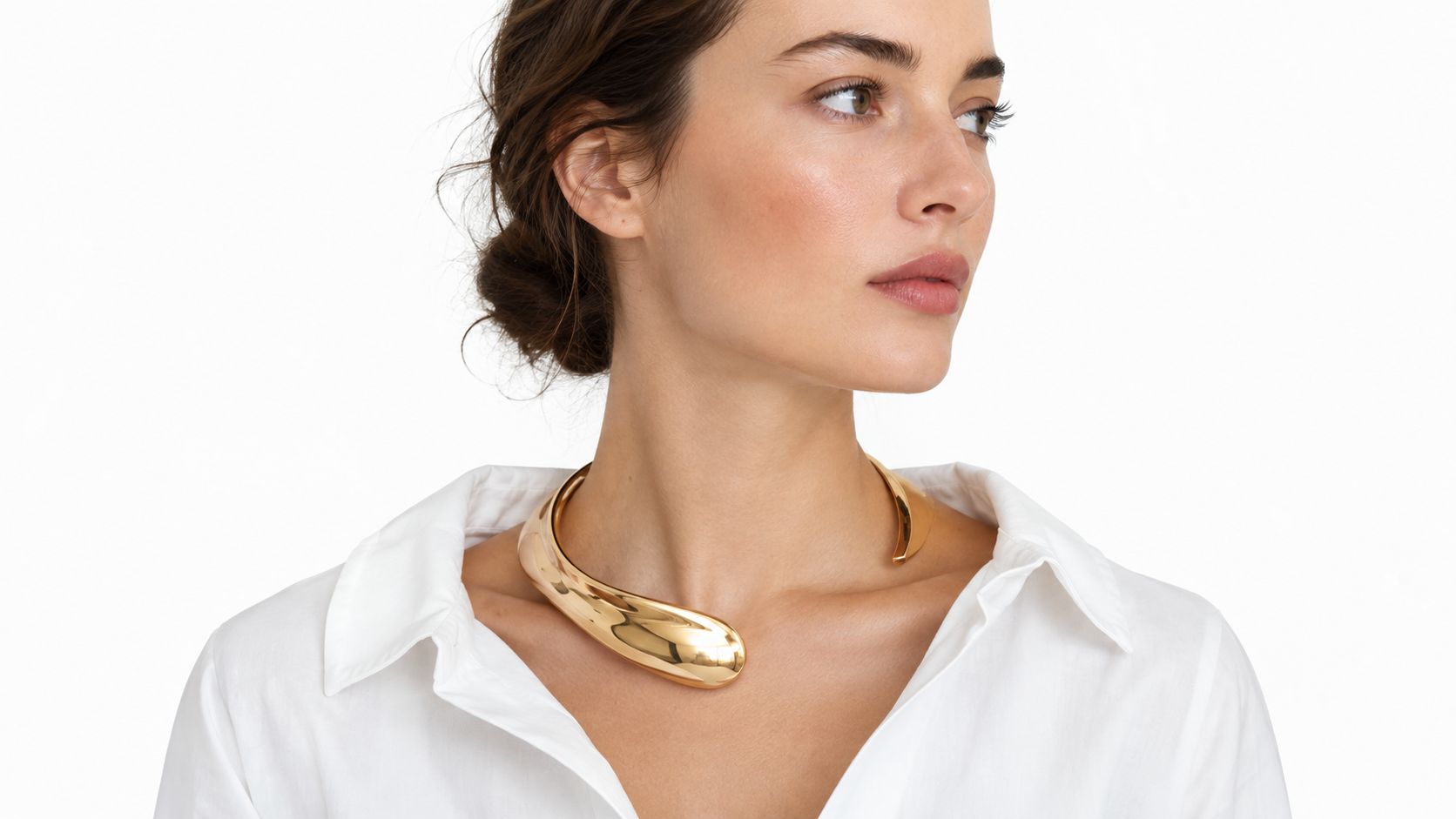
Consider a polished gold necklace over a crisp white shirt. The shirt provides a quiet background, while the necklace creates the visual event. You don't need several delicate chains to make the neckline feel finished because the statement necklace already supplies scale, shine, and structure. A bold pair of gold statement earrings can serve the same purpose when the neckline is high or already detailed.
Look for composition, not ornament count
A piece can be dramatic without holding a large number of stones. Hammered metal, oxidized silver, sculptural curves, asymmetry, and hand-finished surfaces can create enough visual weight to anchor an outfit. High-contrast materials work because the eye notices differences in color, reflectivity, and texture from a distance.
Use this quick test when shopping:
- Cover the decorative details mentally. Does the outline still look distinctive?
- View the piece from a distance. Does its shape remain visible, or does it disappear into the outfit?
- Ask what it replaces. Could this one piece do the work of several smaller accessories?
- Check the intended role. Is it meant to lead the look, or support it?
Styling rule: If the jewelry is the first thing you notice, treat it as the outfit's anchor.
This distinction separates statement jewelry from merely ornate jewelry. A piece may contain intricate details yet remain visually quiet. Another may use a smooth, plain surface but dominate the look through its proportions and geometry. The defining quality is intentional visual dominance, not the amount of decoration.
The Historical Evolution of Bold Accessories
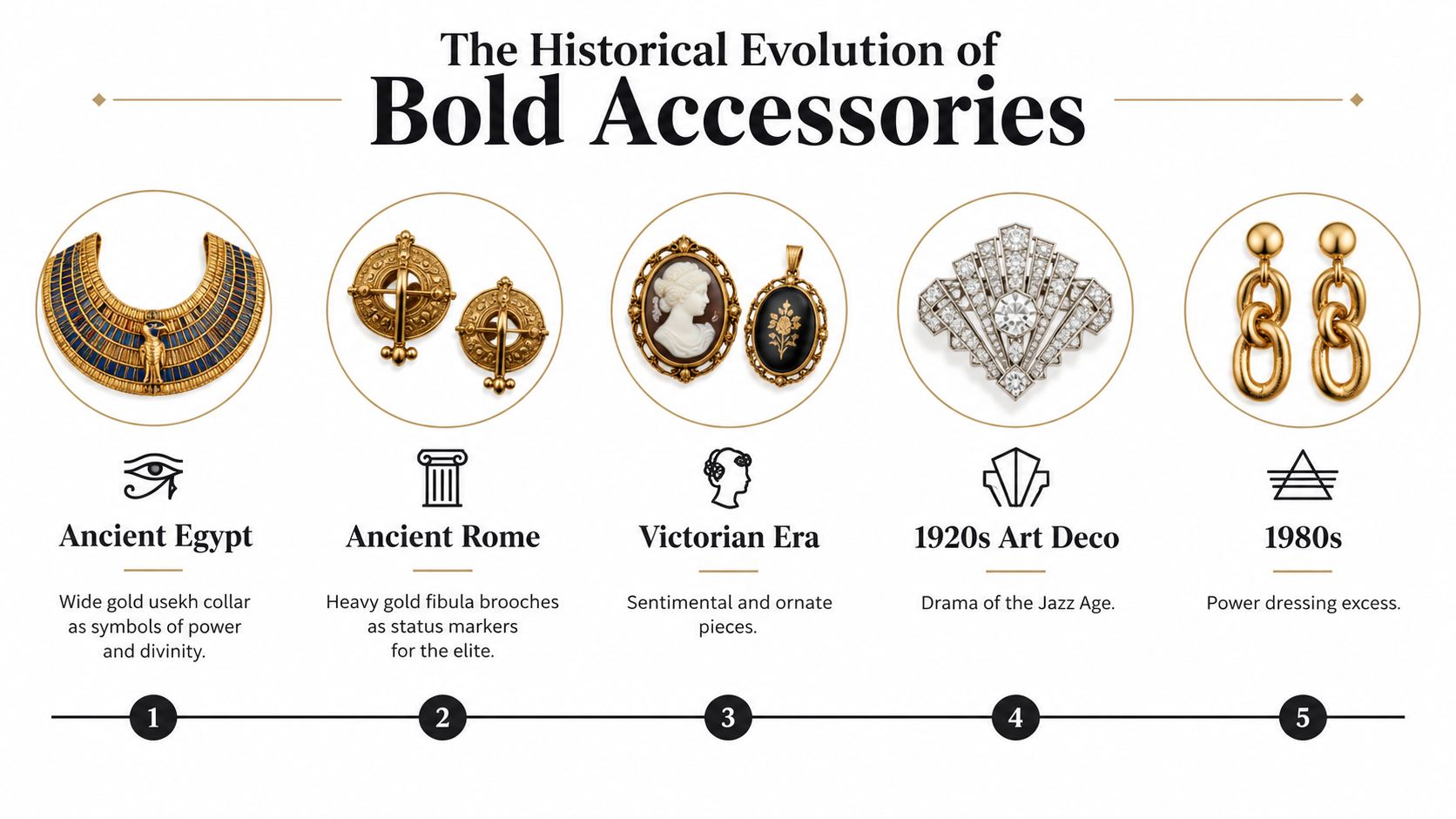
Bold jewelry has long communicated more than personal taste. In ancient Egypt, pharaohs wore opulent collars and amulets made with materials such as gold, lapis lazuli, and turquoise. These pieces decorated the body, but they also represented protection and divine authority, according to this historical overview of statement jewelry.
A wide collar could announce rank before a person spoke. A substantial ring could signal wealth, while an amulet could carry spiritual meaning. Ancient Greece and Rome also used prominent necklaces, rings, brooches, and other ornaments to express social position. The materials, scale, and placement all helped viewers read the wearer's place within a larger culture.
From ceremony to personal style
The visual language changed as fashion changed. Renaissance jewelry favored rich ornament and symbolic detail. Georgian pieces introduced their own formal sensibility, while Art Deco brought sharper geometry, contrast, and a more architectural feeling. The 1980s later made oversized earrings, vivid color, and maximalist accessories part of a confident, highly visible style vocabulary. These shifts are traced through major fashion eras in this account of statement jewelry's development.
A key change arrived in the middle of the 20th century, when statement jewelry became more socially acceptable and more affordable for the middle class. Bold pieces moved beyond royal, ceremonial, or elite settings and entered everyday fashion. The history of statement rings connects this shift with the category's movement into mainstream personal expression.
That change still shapes how people wear statement jewelry now. A dramatic cuff isn't reserved for a formal ceremony, and an oversized ring doesn't need to represent inherited status. It can communicate confidence, creativity, humor, or a preference for strong design.
Why the style keeps returning
Fashion cycles change the details, but the emotional function remains stable. One prominent piece lets you say something about yourself without rebuilding your entire wardrobe. A bold brooch can make a plain jacket feel intentional. Large earrings can give a simple hairstyle definition. A sculptural ring can turn a neutral outfit into a recognizable personal uniform.
Statement jewelry survives because it combines adornment and communication. It makes the wearer visible, and it gives an outfit a point of view.
Statement Pieces Versus Trend and Everyday Jewelry
The easiest way to tell these categories apart is to ask what the piece is doing in the outfit.
Everyday jewelry supports the look. Small studs, slim bands, and delicate chains add continuity without demanding attention. They work as dependable background pieces and can often be combined without creating visual competition. For approachable daily options, browse bracelets to wear every day with comfort and repeat wear in mind.
Statement jewelry anchors the look. Its purpose is to be noticed. It may use a large scale, unusual geometry, bold color, or a strong material contrast. It doesn't have to be expensive or covered in gemstones. A broad oxidized-silver cuff can be more visually commanding than a smaller piece with more ornament.
Trend jewelry reflects a current fashion direction. A trend piece may also be a statement piece, but the terms aren't interchangeable. “Statement” describes the role and impact of the design. “Trend” describes its relationship to a particular moment in fashion.
Three questions for the fitting room
Ask yourself:
- Would this piece still feel expressive if the trend disappeared? A distinctive form or color you like is more likely to remain useful.
- Does it lead the outfit? If your eye goes first to the jewelry, it has statement potential.
- Can you name the styling space it needs? A bold cuff may need bare sleeves, while large earrings may need a simple neckline.
Coverage of 2026 fashion jewelry describes the category as increasingly maximalist, sculptural, and personal, with bold earrings, cuffs, bangles, rings, and brooches extending beyond the traditional statement necklace. Forbes' 2026 jewelry trend coverage supports that broader view, but a current trend still needs to work with your wardrobe and lifestyle.
A practical collection usually benefits from all three roles. Everyday pieces create a foundation, trend pieces add freshness, and true statement pieces give your outfits identity. The mistake isn't owning bold jewelry. It's treating every piece as if it needs to compete for the same spotlight.
Technical Benchmarks for Scale and Proportion
Online shopping makes scale difficult to judge. A product photograph can make a pendant look modest, especially when the model is photographed from a distance or the piece is shown beside clothing with no familiar reference. Dimensions help, but they should be treated as visual clues rather than absolute rules.
Expert-style references identify statement earrings at around 45 mm or larger and pendants spanning roughly 8–12 cm. Cuffs and collars may qualify through architectural volume even when their measurements vary, because their broad surface and structural shape create presence. These benchmarks are provided in this guide to creating statement jewelry looks.
| Jewelry Category | Standard Dimensions | Statement Benchmarks |
|---|---|---|
| Earrings | Smaller, close-fitting silhouettes | Around 45 mm or larger |
| Pendants | Compact drops that sit close to the chest | Roughly 8–12 cm |
| Cuffs | Narrow or lightly structured bands | Architectural volume with strong width or depth |
| Collars | Fine, close-to-neck designs | Broad, structured forms that frame the neckline |
Why surface area changes the look
The eye reads a larger surface faster than a small detail. A wide metal shape creates a stronger block of color. A long pendant establishes a vertical line. A geometric cuff creates an edge that can remain visible even when the rest of the outfit is relaxed.
Contrast increases that effect. Polished gold against white fabric catches light. Oxidized silver against a pale sleeve creates a dark outline. A turquoise pendant against a plain neutral top introduces a concentrated color focal point. The piece doesn't need many elements when its shape, surface, and contrast already provide visual information.
Proportion still depends on the wearer
A benchmark can't determine whether a piece will feel comfortable or balanced on you. Compare the measurements with an item you already own, such as a ruler held against a favorite earring or a paper outline placed over your shirt. Pay attention to drop length, width, weight, and how much the piece extends from the body.
For necklaces, a necklace length chart can help you understand placement before choosing a bold pendant. The same pendant may look compact near a high neckline and much more dramatic over an open shirt.
Scale creates attention. Proportion decides whether that attention feels deliberate.
Rules for Styling and Pairing Bold Pieces
Start with one focal point. If you're wearing a large necklace, let the neckline and earrings support it rather than challenge it. If the earrings are oversized, keep the necklace absent or very restrained so the face remains the center of the composition.
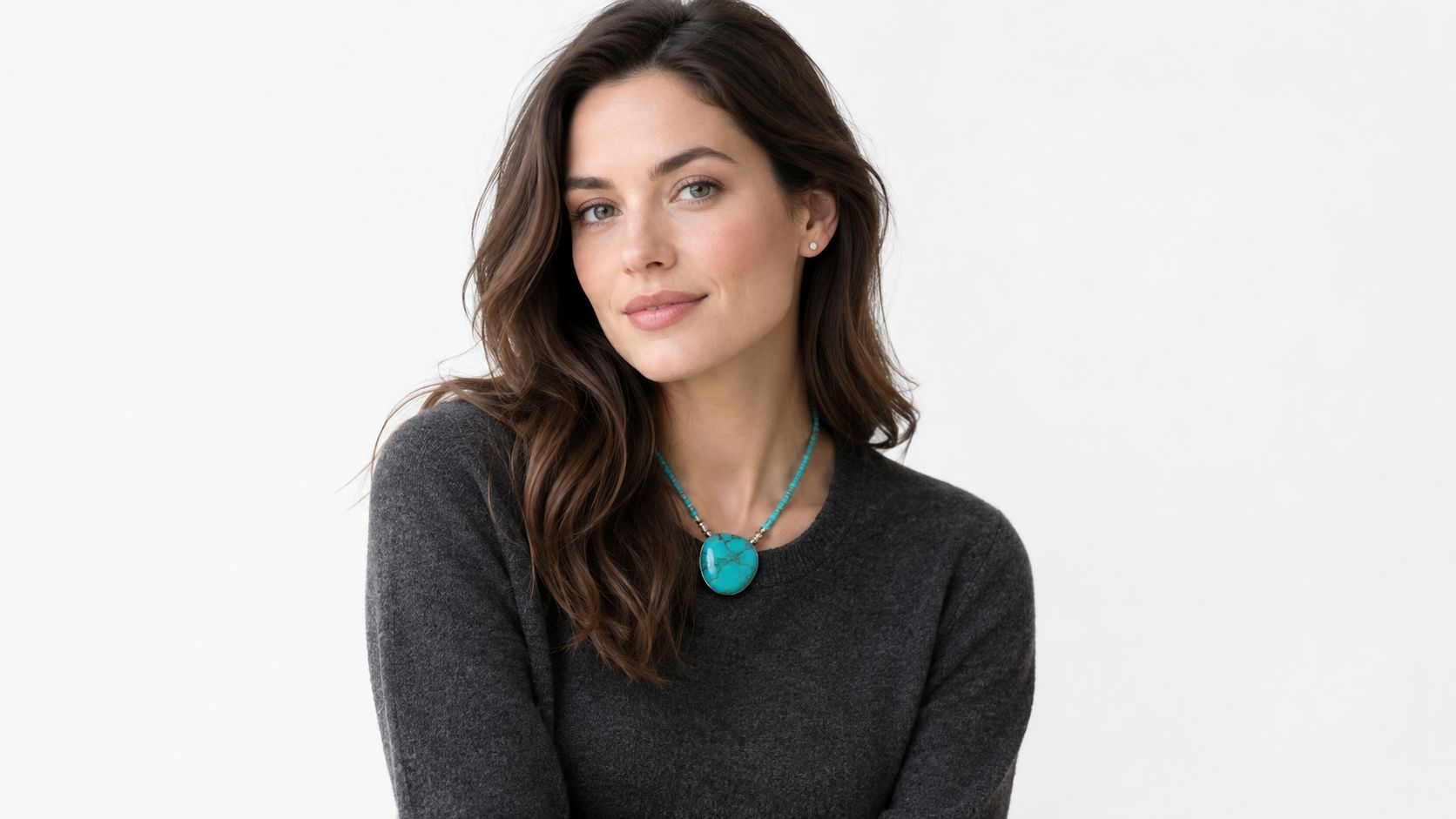
A turquoise pendant shows how color can carry the entire look. Against a plain white background or a simple white shirt, the pendant supplies the contrast, while the clean clothing prevents the color from becoming chaotic. You can use the same principle with a black sculptural ring and a neutral knit, or a broad cuff with a sleeveless dress.
Build the outfit around the jewelry
Use this sequence when you're getting dressed:
- Choose the anchor. Pick the one piece you want people to notice first.
- Reduce nearby competition. Remove accessories that sit in the same visual zone.
- Simplify the clothing details. Clean collars, solid colors, and uncluttered necklines give bold jewelry room.
- Repeat one quiet element. Echo the jewelry's metal, color, or shape in a belt buckle, shoe detail, or subtle print.
- Check the whole silhouette. The jewelry should feel connected to the outfit, not pasted onto it.
A two-finger twist ring is a useful example of unconventional scale. Because it extends across two fingers, it already creates a strong shape on the hand. Pair it with a clean sleeve and minimal rings on that hand, rather than adding several competing bands. The result feels intentional because the ring has breathing room.
You don't need to match every metal perfectly. A controlled combination can look modern, especially when one detail connects the pieces. This guide to mixing gold and silver can help you judge whether mixed metals look coordinated rather than accidental.
For a professional outfit, choose one architectural form with restrained clothing. For an evening look, let color or shine become the statement while keeping the rest of the accessories quiet. For casual wear, a sculptural ring, bold hoops, or a textured cuff can make denim and a plain shirt feel finished without looking formal.
A visual demonstration can help you assess how much space a bold piece needs around the neckline, face, or hands.
Choosing the Right Piece for Gifting and Daily Wear
Buying statement jewelry for yourself starts with your actual wardrobe. Look at the colors, necklines, sleeve shapes, and metals you already wear. A dramatic piece that repeats an existing preference will usually feel more natural than one chosen only because it looks striking in a product photograph.
For gifting, observe before you buy. Notice whether the recipient reaches for gold or silver, prefers clean geometry or organic shapes, and wears earrings, rings, necklaces, or bracelets most often. Their current jewelry reveals more than a generic style label because it shows what they already feel comfortable wearing.
Match impact with lifestyle
A statement piece for daily wear needs to fit the recipient's routines. Consider whether they work with their hands, type frequently, wear headphones, or prefer low-maintenance accessories. A high-profile ring may look dramatic but become inconvenient if it catches on clothing. Large earrings may be beautiful but unsuitable for someone who rarely wears earrings.
For gifting, personalization adds meaning without requiring excessive ornament. A dedicated personalized jewelry gifts collection can help you look for custom details that connect the piece to the recipient. Charms, engraved elements, or a meaningful initial can give a bold design an individual reason to exist.
Check the practical details
Before placing an online order, review:
- Materials: Confirm the metal finish and any gemstone or enamel details.
- Measurements: Compare the listed dimensions with jewelry the recipient already owns.
- Care: Read the retailer's jewelry-care guidance so you know how to protect the finish.
- Gifting options: Check whether gift packaging and a message can be added at checkout.
- Policies: Review shipping, returns, and any personalization restrictions before ordering.
EP Fine Jewelry organizes its online catalog across personalized jewelry, charms, bangles, bracelets, necklaces, rings, and earrings. Its shopping flow also includes gift-box options, order notes, care guidance, shipping and return information, and multiple payment methods. Check the current store policies and delivery details before buying, since retail terms can change.
The strongest choice balances visual confidence with practical use. A memorable statement piece shouldn't sit permanently in a jewelry box because it clashes with the recipient's wardrobe or interrupts their routine. Choose the design that gives them a clear focal point while still feeling like something they can reach for with ease.
Choose one piece that reflects your style, measure its proportions against clothing you already own, and give it enough space to lead the outfit. Explore the statement rings, necklaces, earrings, charms, and personalized designs at EP Fine Jewelry, then use the available care and gifting options to make your purchase ready for everyday wear or a meaningful occasion.