
The most popular advice about personalized jewelry gifts is also the least useful: “Just put their name on it.” A name can be meaningful, but it can also feel automatic, especially when the piece says nothing about the relationship, occasion, or memory behind the gift.
The better question is not, “What can I engrave?” It's, “What does this person need to feel when they wear it?” An initial can offer a quiet reminder of identity. A birthstone can honor family. A date can preserve a milestone. A charm can tell a story that grows over time. The right choice matches the emotional weight of the occasion with a detail the recipient will understand and want to wear.
That distinction matters because personalized jewelry is increasingly tied to gifting rather than spontaneous self-purchase. More than 67% of personalized jewelry purchases worldwide were driven by gifting intent in 2025, compared with about 54% in 2020, according to market data on personalized jewelry. Personalized jewelry gifts now belong in the same category as keepsakes, letters, and family heirlooms. Choose them with intention.
Table of Contents
- The Emotional Utility of Personalized Jewelry Gifts
- Popular Formats for Custom Jewelry
- Matching the Personalization to the Occasion
- Customizing and Ordering from EP Fine Jewelry
- Gift Packaging and Presentation Details
- Jewelry Care and Post-Purchase Considerations
The Emotional Utility of Personalized Jewelry Gifts
A personalized piece earns its place in someone's jewelry box when it performs an emotional job. It might keep a distant child close, mark the date a couple met, recognize a new chapter, or give a grieving friend a discreet symbol of remembrance. The material matters, but the meaning determines whether the piece becomes part of the recipient's daily life.
That's why a generic engraving can fail. A name necklace may suit someone who enjoys visible, identity-forward jewelry, but it can feel too exposed for a minimalist. A date engraved inside a ring may be perfect for a private anniversary, yet too restrained for a milestone that deserves a visible celebration. Personalization works when the format and message agree.
The market's gifting orientation supports this view. Personalized jewelry was valued at USD 38.6 billion in 2025 and is projected to reach USD 81.4 billion by 2034, with a projected compound annual growth rate of 8.7%, according to the personalized jewelry market report. The important point isn't only market size. Buyers are using jewelry to translate relationships into objects that can be worn, touched, and remembered.
Practical rule: Choose the emotional message first, then select the jewelry format that can carry it naturally.
Match the detail to the relationship
Personalized jewelry gifts should reflect the level of intimacy between giver and recipient. A simple initial is appropriate when the relationship is meaningful but the occasion is light. A shared date, multiple birthstones, or a private inscription carries greater emotional intensity and should be reserved for relationships where that meaning is already established.
For a mother, children's initials or birthstones can recognize her role without relying on a romantic message. For a partner, a date can preserve a private milestone. For a best friend, a charm linked to a shared experience may feel more authentic than a formal nameplate. For a colleague, a discreet initial or polished symbol is safer than an intimate engraving.
Many buyers over-personalize. They focus on adding more details instead of choosing the one detail the recipient will immediately understand. A thoughtful gift doesn't need a crowded pendant. It needs a clear emotional point.
The same logic appears in mother and daughter charm ideas, where the relationship itself guides the symbol. The strongest gift often communicates, “I know what this bond means to you,” rather than merely displaying a name.
Popular Formats for Custom Jewelry
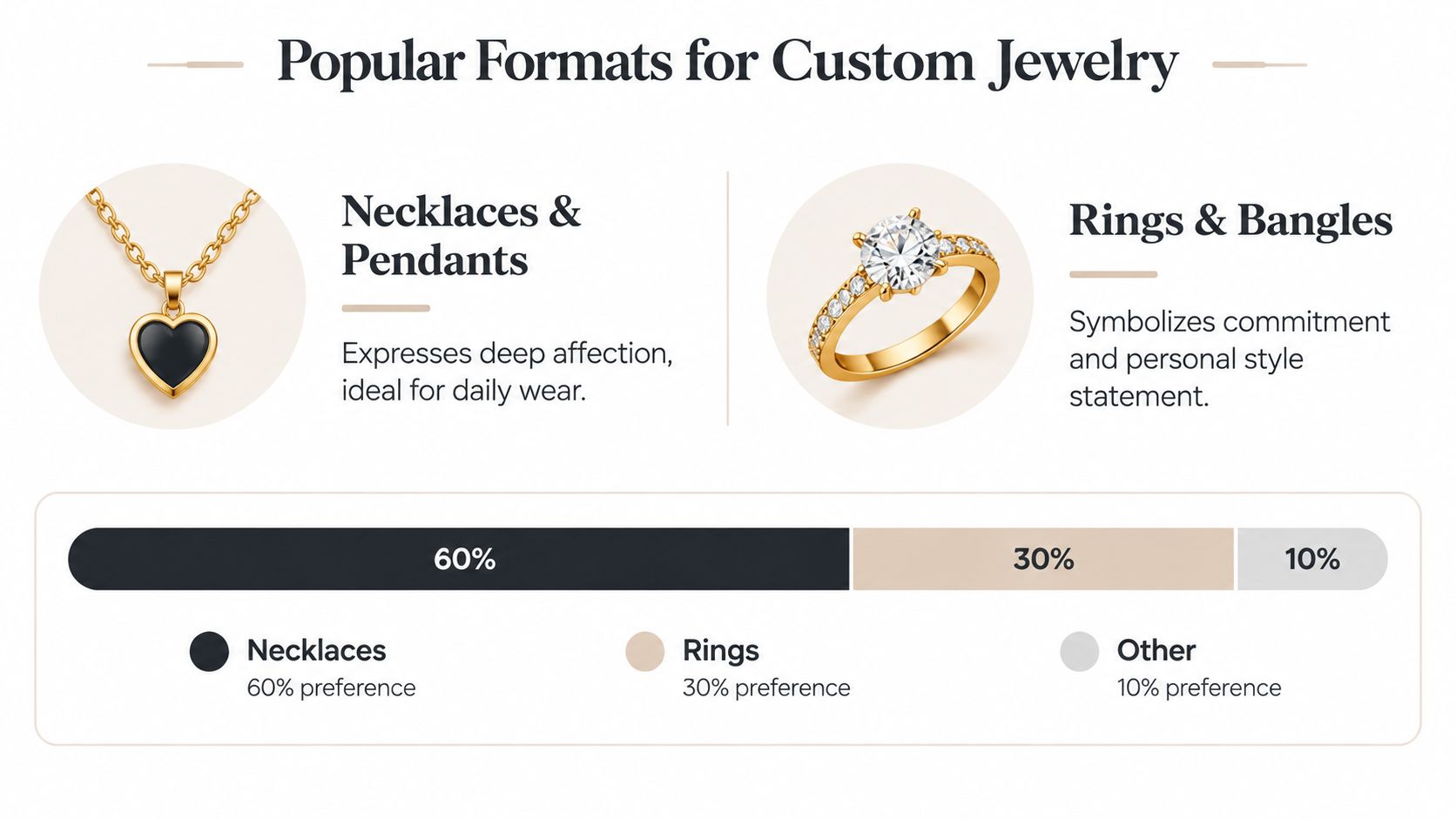
Different jewelry formats send different signals. A necklace places the sentiment near the face and neckline, making it visible and easy to incorporate into daily dressing. A ring keeps the message closer to the hand, where the wearer may notice it privately throughout the day. A bracelet creates movement and layering potential, while charms allow the meaning to evolve.
The most suitable format depends on the recipient's wardrobe, comfort, and existing habits. Don't buy a statement nameplate for someone who wears only fine, understated chains. Don't choose a tiny hidden engraving for someone who loves expressive layering and conversation-starting pieces.
Necklaces and pendants
Necklaces held the largest product share in the personalized jewelry market, at 34.2% in 2025, according to the same market report. That makes sense from a gifting perspective. A necklace can carry a name, initial, date, birthstone, or charm while remaining easy to wear with casual and formal clothing.
A nameplate necklace is direct and identity-forward. It suits someone who likes personalization to be seen and understood immediately. An initial pendant is more restrained, particularly when the initial represents a child, partner, family name, or the wearer's own identity.
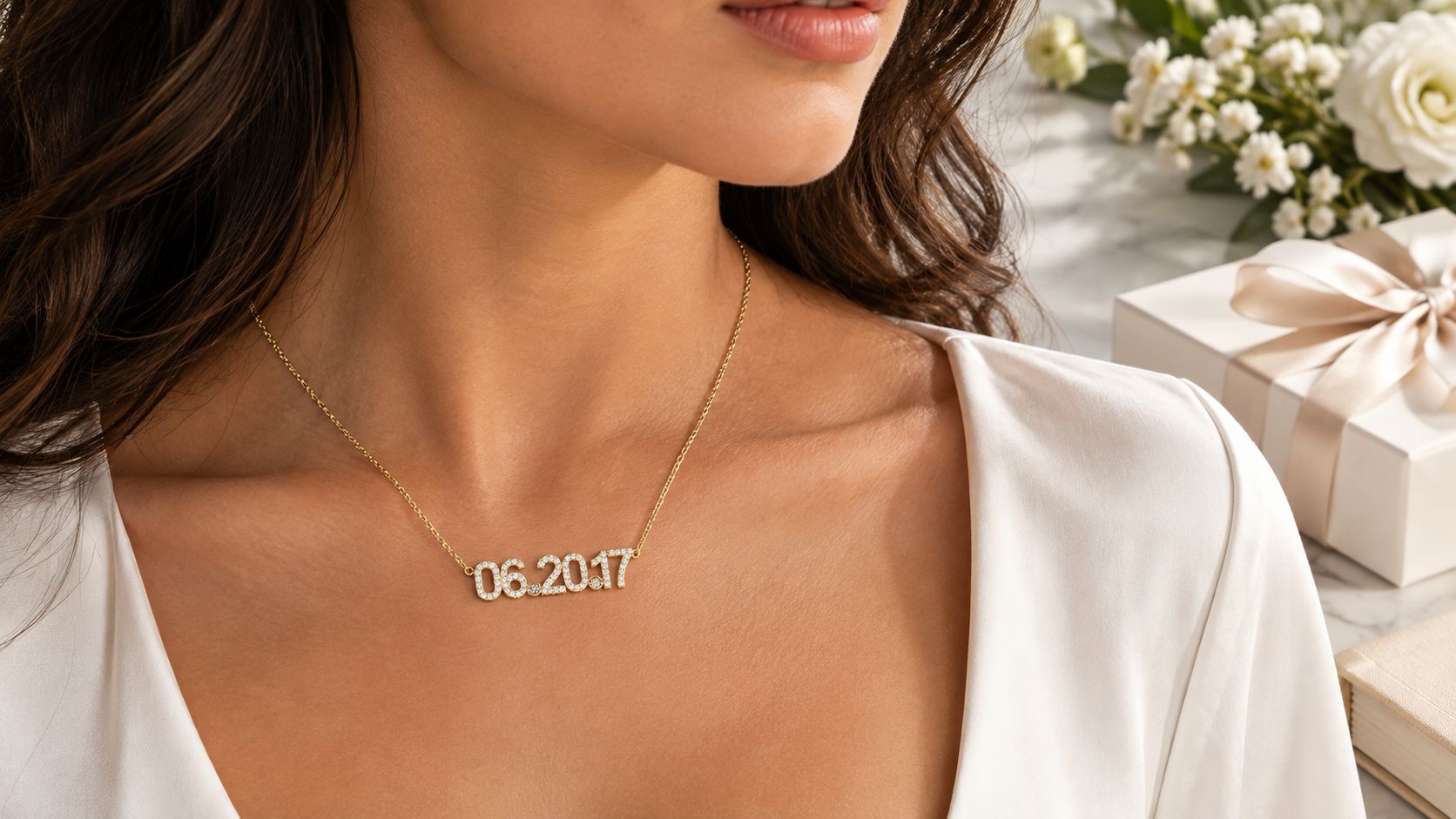
Date pendants occupy the middle ground. They're legible to the wearer but don't require everyone else to know the story. Choose one for an anniversary, birth, wedding, move, or another moment that deserves preservation without public explanation.
Rings and bangles
Rings communicate permanence, so they're strongest for milestones, commitments, and private symbols. An engraving inside the band can make the piece feel intimate. An initial or birthstone on the surface turns it into a more visible style statement.
Bangles and bracelets work well for recipients who layer jewelry or prefer a piece that moves with them. They can support initials, small charms, coordinates, or multiple stones without making the message feel overly formal. For a low-key wearer, choose a slim bracelet with one discreet detail. For a collector, a charm-based design can become a record of family, travel, or important seasons.
See personalized bracelet styles before choosing a bracelet format. The key decision isn't only what the piece says. It's whether the recipient will reach for it on an ordinary morning.
Match the format to personal style
Use this quick filter:
- Visible and expressive: Choose a nameplate, bold initial pendant, or layered charm necklace.
- Quiet and private: Choose an inside engraving, discreet date, or small initial.
- Sentimental and family-focused: Choose birthstones, linked initials, or symbolic charms.
- Minimalist and practical: Choose a slim chain, delicate cord bracelet, or single polished pendant.
- Collector and maximalist: Choose a charm format that can accept additional meaningful elements later.
The best custom piece isn't the most elaborate option. It's the one that fits the recipient's actual life.
Matching the Personalization to the Occasion
The occasion sets the emotional volume of the gift. A birthday usually invites a personal reference, but it doesn't automatically justify a highly intimate message. Valentine's Day can support a shared date or romantic inscription, while a colleague's promotion calls for something polished and celebratory rather than very private.
A useful decision sequence is simple: identify the relationship, define the occasion, then choose the detail. Reverse that order and you'll often end up with a beautiful piece that communicates the wrong message.
Birthdays and family celebrations
Birthdays are ideal for initials, birthstones, or a date connected to a personal achievement. For a mother, use the initials or birthstones of her children. For a partner, select a private date or a symbol associated with the relationship. For a friend, choose a charm connected to a shared interest or memory.
Consumer research cited by The O Grace's jewelry trends report says 73% of buyers purchase jewelry for birthdays, while 72.8% buy jewelry as a meaningful gift. The figures reinforce a practical buying principle: a birthday gift should feel chosen for the recipient, not pulled from a generic luxury checklist.
Romantic occasions
Valentine's Day and anniversaries can carry more intimate personalization, but restraint still matters. A first anniversary may suit a date or small initial. A major relationship milestone can support a more visible pendant, paired initials, or a meaningful stone.
A date is often stronger than a long message because it gives the recipient room to attach their own memory. If the relationship is new, avoid symbols that imply more commitment than the relationship has established. Personalization should deepen the occasion, not create pressure.
The 14k Date Necklace is designed around a meaningful date, with a charm measuring 6mm in height and a length that depends on the number of letters. Its listed material is 14K Gold/Diamonds, and it is made to order with an estimated production time of 4 weeks, according to the product information.
Holidays, weddings, and major milestones
Holiday demand is strongly occasion-driven. A separate jewelry customization market report identifies seasonal spikes around Valentine's Day, Mother's Day, and birthdays, while another report notes that 50% of buyers purchase jewelry during holiday seasons. Plan earlier for these periods, especially when the item requires custom production.
For a wedding, initials, wedding dates, birthstones, or symbolic charms can work for a partner, parent, member of the wedding party, or close family member. For graduation or a career milestone, favor a name, achievement date, or subtle initial. The message should recognize the recipient's progress without making the piece difficult to style.
For additional seasonal guidance, use this holiday jewelry gift guide. It's easier to make a confident choice once you've decided whether the gift should commemorate, reassure, celebrate, or connect.
Customizing and Ordering from EP Fine Jewelry
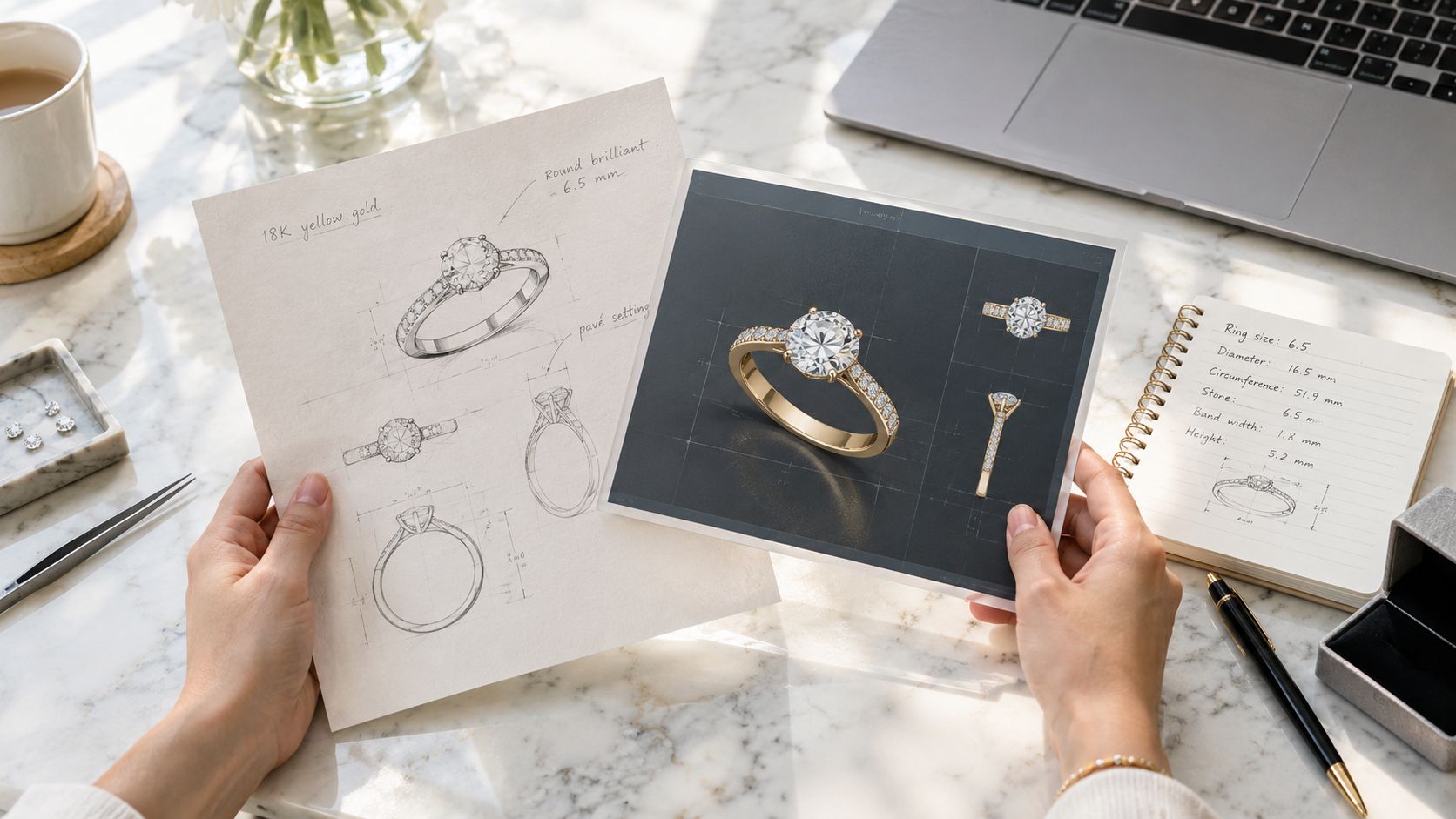
Custom jewelry rewards careful ordering. The most common mistakes are avoidable: misspelled names, reversed dates, incorrect ring sizing, and unrealistic delivery expectations. Treat every personalization field as part of the design, not as a casual checkout note.
Enter details as production instructions
Before submitting an order, write the personalization exactly as you want it produced. Confirm capitalization, punctuation, spelling, date order, and the number of characters. If the product page specifies an input format, follow it precisely. Don't assume the maker will infer whether a date means a birthday, anniversary, or another occasion.
For rings, verify the size before checkout. A made-to-order ring isn't the place to guess. If you're unsure, compare the recipient's existing ring sizing discreetly or choose a format that doesn't depend on a fixed ring measurement.
EP Fine Jewelry organizes custom selections in a dedicated Personalized collection, alongside categories for necklaces, rings, bracelets, bangles, earrings, and charms. That structure helps you compare formats before committing to an engraving or charm arrangement.
Build the delivery plan around production
Custom production takes time because the piece is prepared for a specific order. The catalog information for the 14K date necklace lists an estimated 4-week production period, so a buyer should allow that manufacturing window before considering shipping time. Standard rush expectations don't belong in a made-to-order purchase unless the retailer confirms them directly.
Use the store's shipping and returns information before paying, especially for holiday gifts. The shopping flow also supports major payment methods, including American Express, Apple Pay, Discover, Mastercard, Shop Pay, and Visa, according to the publisher's catalog information. Payment convenience doesn't remove the need to review the custom details carefully.
A short video can help you think about the design process before ordering:
Before checkout: Read the product instructions twice, save a screenshot of the final personalization, and confirm the delivery window against the date you'll give the gift.
Gift Packaging and Presentation Details
A personalized gift should feel intentional before the recipient sees the jewelry. Presentation creates the first emotional signal, and rushed packaging can weaken an otherwise thoughtful choice. The goal is simple: the box, message, and reveal should support the meaning of the piece.
At checkout, use the order notes field for a gift message or special handling instruction. Write the message as if the recipient will read it first. Keep it specific. “For every birthday we've celebrated together” carries more warmth than “Happy birthday.”
Make the message do useful work
A good gift note explains the connection without overexplaining the jewelry. If the piece carries a date, mention why that date matters. If it carries an initial, identify the person or memory behind it. If it contains a birthstone, connect the stone to the recipient or family member it represents.
Avoid copying the inscription into the note without context. The recipient can see the engraved detail. The message should add the story around it.
Use the optional gift box add-on when you want the piece to arrive present-ready. That saves you from sourcing separate packaging and keeps the unboxing consistent with the care taken during customization. The personalized jewelry case can also be considered when the recipient needs a dedicated place to store a meaningful piece, subject to the product information and checkout terms.
Plan the reveal
For an intimate gift, hand the box over at a quiet moment rather than placing it among anonymous packages. For a family celebration, let the recipient open it before explaining every detail. Give them time to notice the personalization and form their own emotional response.
A polished presentation follows three steps:
- Protect the surprise: Don't describe every detail before opening.
- Add context: Use the gift message to explain the memory or relationship.
- Leave room for reaction: Let the jewelry speak before you narrate the entire story.
Packaging can't rescue a poorly chosen personalization, but it can complete a thoughtful one. The recipient should feel that the piece was selected, customized, and presented as one continuous gesture.
Jewelry Care and Post-Purchase Considerations
The meaning of personalized jewelry lasts only if the piece remains wearable. Care begins with realistic habits, not complicated rituals. Store the item away from other jewelry to reduce scratching, keep it away from harsh chemicals, and handle delicate chains and charms gently.
For gold and diamond pieces, follow the retailer's care guidance rather than relying on a generic cleaning method. The EP Fine Jewelry jewelry care guide provides a useful reference for cleaning jewelry at home. If the piece has an engraving, charm connection, or delicate setting, inspect it periodically for looseness or damage.
Protect the personalization
Engravings don't need special emotional treatment, but they do need practical protection. Remove jewelry before activities that expose it to unnecessary impact, moisture, cosmetics, or cleaning products. Put it on after applying lotions and fragrance, not before.
Store each item in a soft compartment or its own case. Don't toss a personalized necklace into a crowded pouch where the chain can knot around charms or other pieces. A storage routine is especially important for jewelry that carries family names, dates, or other details you'd want to preserve.
Review policies before ordering
Made-to-order and personalized items commonly have stricter return conditions because they're created for a specific recipient. Check the product page and the retailer's policies before checkout. Verify spelling, date formatting, size, metal selection, and every other customization field because a mistake may make the piece ineligible for return or exchange.
Also review the stated production and shipping information. A personalized gift may need manufacturing time before it enters transit, and a holiday deadline requires more planning than a standard in-stock purchase. Don't promise a recipient a delivery date the retailer hasn't confirmed.
Ownership rule: The most meaningful custom gift deserves the same attention after delivery as it received before checkout.
Personalized jewelry gifts work best when the buyer treats them as emotional design. Choose one meaningful detail, match it to the relationship, confirm every production instruction, and present the finished piece with a message that explains why it matters. That approach produces a gift the recipient can wear, not merely admire once.
EP Fine Jewelry offers a dedicated Personalized collection, custom jewelry categories, gift packaging options, order notes for messages, and care and policy resources to support the buying process. Visit EP Fine Jewelry to choose a personalized piece that fits the recipient, the occasion, and the story you want to preserve.